How Jetboil Works: Complete Guide to Integrated Stove Systems
How Jetboil Works: Complete Guide to Integrated Stove Systems
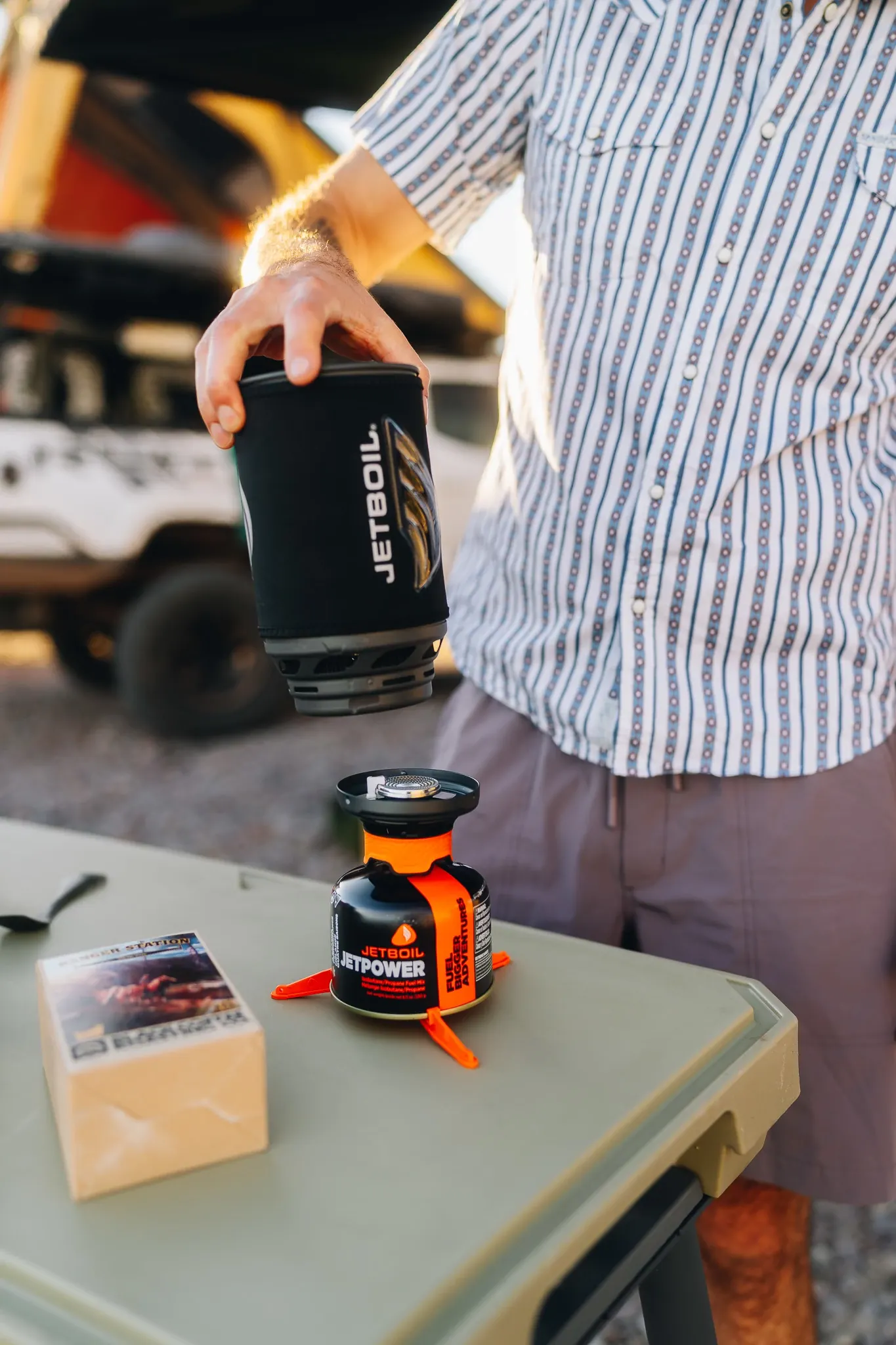
Jetboil stoves work by combining a high-efficiency burner with a FluxRing-equipped cooking vessel to maximize heat transfer and reduce energy loss. The integrated system channels heat directly into the pot, allowing water to boil quickly while using less fuel. This design improves performance in wind and cold compared to traditional backpacking stoves.
What Makes Jetboil Different
Integrated Stove System Explained
Unlike traditional backpacking stoves that rely on separate pots and burners, Jetboil systems are engineered as a unified cooking solution. This integration, while prioritizing convenience, also fundamentally changes how efficiently heat is used in outdoor cooking.
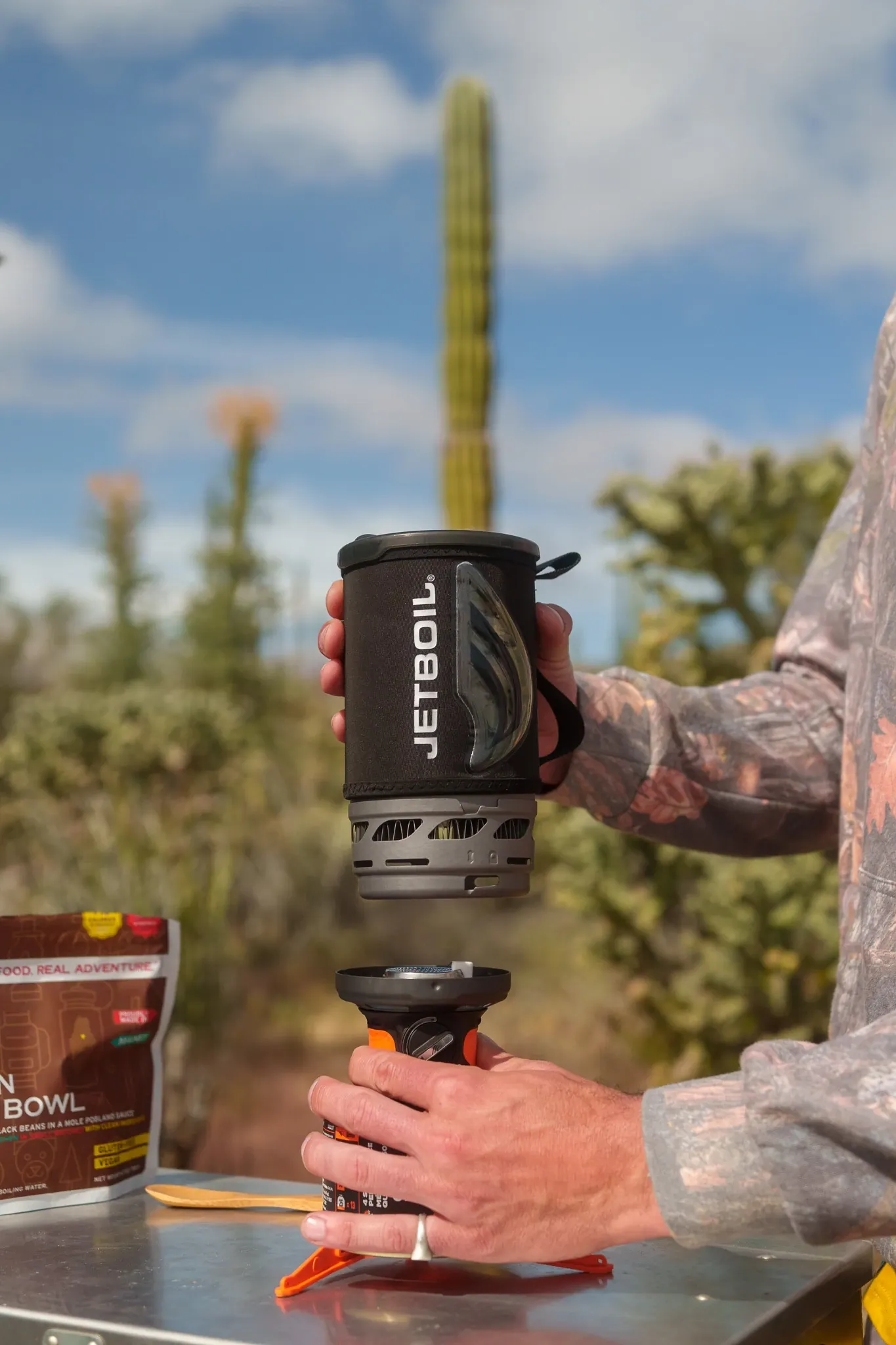
In a typical stove setup, heat disperses around the sides of the pot, especially in open air. That lost heat translates directly into longer boil times and increased fuel consumption. Jetboil eliminates much of this inefficiency by designing the burner and cooking vessel to function as a single system. The pot locks securely into place, stabilizing the setup while also aligning it precisely with the heat source.
This approach is especially evident in systems like the Flash and Zip, which prioritize rapid boil times for coffee, freeze-dried meals, and quick hydration.
Beyond speed, the integrated design simplifies the overall experience:
- Fewer components to assemble and manage
- More stable cooking in uneven terrain
- Consistent performance without constant adjustment
For beginners, the integrated design creates a simpler user experience. For experienced backpackers, it reduces variables, especially in unpredictable conditions.
How is an integrated stove different from a regular backpacking stove?
An integrated stove combines the burner and cooking vessel into a single system designed to maximize heat transfer. In contrast, traditional stoves use separate components, which often leads to heat loss, slower boil times, and lower fuel efficiency.
FluxRing Technology
At the center of Jetboil's performance advantage is FluxRing technology, a heat exchanger built into the base of the cooking vessel. While it may look like a simple design feature, it plays a critical role in how efficiently the system operates.
The FluxRing consists of a series of metal fins that expand the surface area exposed to the burner flame. Instead of allowing heat to escape into the surrounding air, these fins capture it and redirect it upward into the pot. This process significantly improves thermal efficiency.
What this means for you:
- Faster boil times with less fuel
- Better performance in cooler or windy environments
- More predictable cooking results
For example, systems like the TrailCook leverage FluxRing technology for both boiling and controlled cooking. Because more heat is retained and distributed evenly, backpackers can move beyond simple boiling into simmering sauces, cooking grains, or preparing more complex meals.
FluxRing technology is one of the primary reasons Jetboil systems consistently outperform traditional canister stoves in side-by-side comparisons.
Why does FluxRing technology make such a big difference?
FluxRing technology increases the surface area exposed to heat and captures energy that would otherwise be lost. This allows Jetboil systems to boil water faster and use less fuel compared to traditional open-flame stoves.
Regulated Burner Performance
Another defining feature of many Jetboil systems is the regulated burner. While it's easy to focus on boil speed, consistency is just as important, especially when conditions aren't ideal.
As temperatures drop, fuel pressure in canisters decreases. In many stoves, this leads to weaker flames and longer cook times. Jetboil's regulated burner compensates for these changes, maintaining a steady output even as environmental conditions shift.
This becomes particularly valuable in systems like the TrailCook, which is designed for precision cooking and better simmer control. Instead of an "all or nothing" flame, campers can fine-tune heat levels for a wider range of meals.
Key benefits include:
- Reliable performance in cold weather
- Improved fuel efficiency over time
- Greater versatility for cooking beyond boiling
For backpackers who want more than just hot water, like those cooking real meals on the trail, this level of control makes a noticeable difference.
Do Jetboil stoves work well in cold weather?
Yes, Jetboil systems with regulated burners are designed to maintain consistent performance in cold conditions. The regulator helps stabilize fuel output even when canister pressure drops, resulting in more reliable cooking.
Jetboil vs. Traditional Stoves vs. Other Backpacking Systems
| Feature | Jetboil Integrated Systems | Traditional Canister Stoves | Other Integrated Stove Brands |
|---|---|---|---|
| Heat Efficiency | High (FluxRing captures and redirects heat) | Low to moderate (significant heat loss) | Moderate to high (varies by design) |
| Boil Time | Very fast (often ~2–3 minutes) | Slower (depends on conditions) | Fast, but often less consistent |
| Fuel Efficiency | Excellent (less fuel per boil) | Lower (more wasted energy) | Moderate |
| Wind Performance | Strong (integrated shielding + heat direction) | Weak (flame easily disrupted) | Moderate |
| Ease of Use | Very easy (lock-and-go system) | Requires setup and adjustments | Moderate |
| Cooking Versatility | High on select models (e.g., TrailCook, Genesis) | High (depends on cookware) | Moderate |
| Packability | Compact, self-contained systems | Depends on pot + stove combo | Moderate |
| Best For | Fast boiling, efficiency, reliability | Budget setups, flexible cooking | Balanced performance |
What this means: Jetboil systems prioritize efficiency, speed, and reliability, while traditional stoves offer more flexibility but require more effort and fuel. For most backpackers, Jetboil provides a more streamlined and predictable experience.
Choosing the Right Jetboil Stove or System
Jetboil offers several distinct lines of stove and stove systems:
- Fast Boil → Best for rapidly boiling water
- Precision Cook → Best for precision flame control from a rolling boil to low simmer
- Basecamp → Best for car camping, overlanding, rafting, and full camp kitchens
Or you can select the model that meets your specific activity or use case:
- Jetboil Flash → Best for fast boiling and simplicity (coffee, dehydrated meals)
- Jetboil TrailCook→ Best for cooking and simmer control
- Jetboil Stash → Best for ultralight backpacking
- Jetboil Genesis Basecamp System → Best for group cooking and full meals
Take a look at our interactive Stove Selector Guide to see the system that will work best for your needs.
Step-by-Step: How Jetboil Works
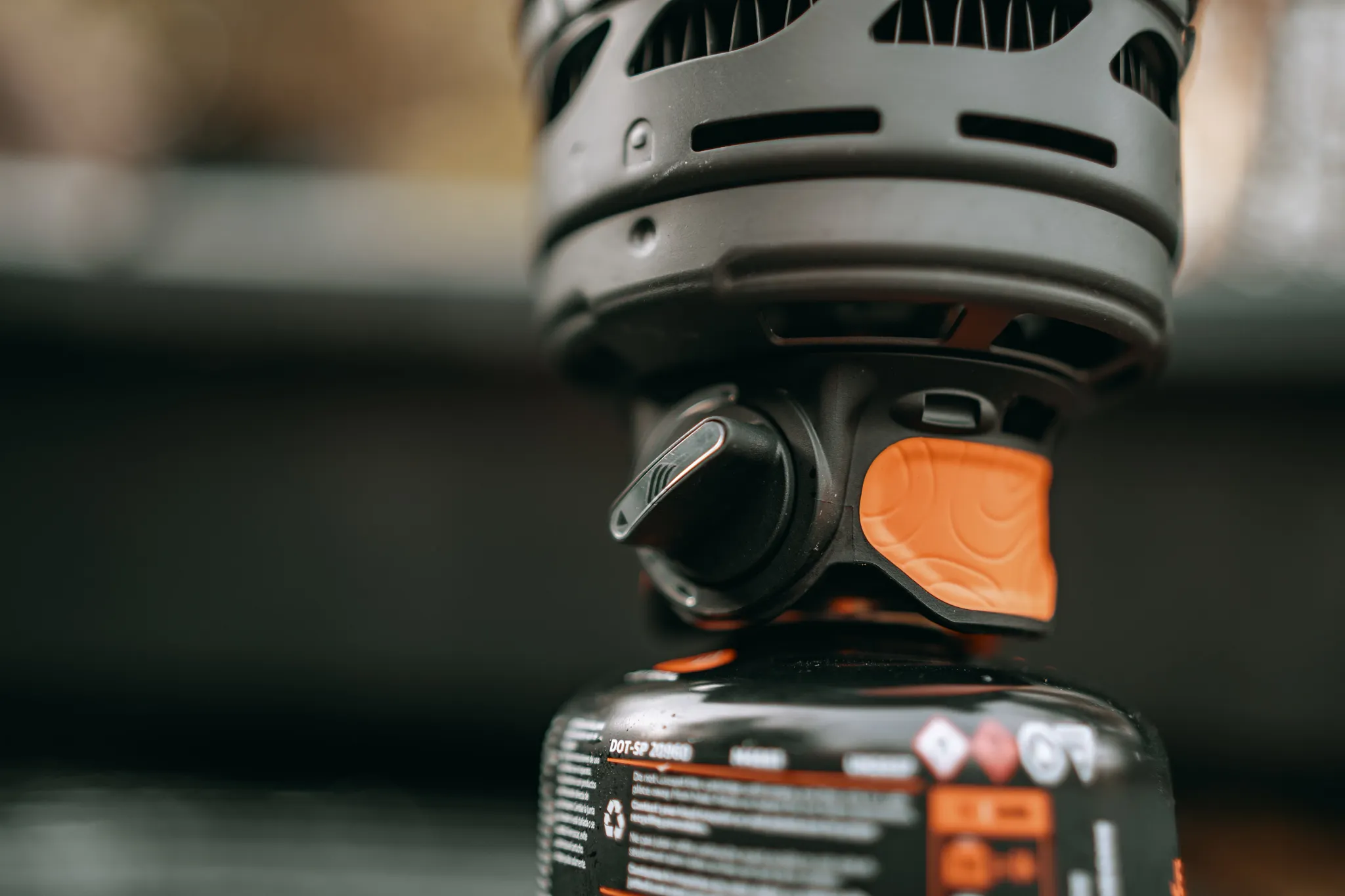
- Attach the fuel canister - Jetboil systems use isobutane-propane fuel canisters that screw directly into the burner base. This secure connection ensures consistent fuel flow and easy setup.
- Ignite the burner - Most systems include a push-button igniter, allowing for quick startup without additional tools.
- Lock in the pot - The cooking vessel twists and locks onto the burner, creating a stable, integrated unit. This step is key to maximizing heat transfer.
- Heat transfers through the FluxRing - The burner flame heats the FluxRing fins, which capture and distribute heat efficiently into the pot.
- Water reaches a boil rapidly - Because heat is concentrated and retained, boil times are significantly reduced compared to traditional stoves. On some models, like the Flash 1.0L and 1.8L, the thermochromic color-change heat indicator helps show when water is ready.
- Adjust or shut off the flame - Depending on the model, users can either bring water to a quick boil or adjust the flame for simmering and cooking.
For ultralight backcountry campers, the Stash system follows a slightly different approach. It separates the burner and pot to reduce weight while still incorporating FluxRing technology, making it one of the lightest options for fast-and-light backpacking.
Jetboil Performance Factors
Boil Time Science
Boil time is one of the most visible performance metrics, but it's driven by several underlying factors working together.
Jetboil systems optimize:
- Heat transfer efficiency through FluxRing technology
- Burner-to-pot alignment for minimal energy loss
- Pot geometry that supports faster heating
In systems like the Flash, this optimization is pushed to the limit, making it one of the fastest options for boiling water in the backcountry. The speed is both convenient and reduces the time your stove is exposed to wind and environmental variables.
What affects how fast water boils on a backpacking stove?
Boil time depends on heat transfer efficiency, burner output, pot design, altitude, and environmental conditions like wind and temperature. Jetboil improves boil time by optimizing all of these factors within an integrated system, and accessories like the Flash 1.0L and Windscreen help protect the burner in breezy conditions. By shielding the flame, the windscreen can help reduce heat loss, improve boil efficiency, and lessen the likelihood of flame blow-out.
Fuel Efficiency
Fuel efficiency is where Jetboil's design has a compounding impact over time. Because more heat is captured and used effectively, less fuel is required to achieve the same results.
Over the course of a multi-day trip, this can mean:
- Carrying fewer fuel canisters
- Reducing overall pack weight
- Extending time between resupply points
For longer expeditions or group trips, systems like the Genesis Basecamp System take this efficiency further by supporting larger cookware and dual-burner setups with the option to attach satellite burners, allowing for more complex cooking while still optimizing fuel use.
Wind Performance
Wind can quickly disrupt outdoor cooking, especially with traditional open-flame stoves. Even moderate breezes can push heat away from the pot, increasing boil times and fuel consumption.
Jetboil addresses this challenge through its integrated design:
- The pot acts as a partial shield for the burner
- Heat is directed inward rather than outward
- Reduced exposure limits the impact of crosswinds
For additional protection, Jetboil's Windscreen Accessory can help shield the burner from wind, improving boil efficiency and reducing the likelihood of flame blow-out in breezy conditions. This is especially helpful in exposed campsites, alpine environments, or any setting where shifting wind can interfere with consistent heat output.
While no stove is completely immune to extreme conditions, Jetboil systems are designed to perform more efficiently in wind than many non-integrated alternatives. Combined with accessories like the Windscreen, they offer a more reliable cooking setup when conditions are less predictable.
Fuel Types & Compatibility
Jetboil backpacking stove systems are designed to work with standard isobutane-propane fuel canisters, which are widely available and easy to transport. Larger single- and double-burner systems, such as HalfGen and Genesis Basecamp, use portable propane canisters. Both fuel types are designed to balance performance, weight, and convenience for their intended use cases.
They offer:
- Reliable ignition and burn consistency
- Compatibility across multiple Jetboil systems
- Lightweight, packable design
Jetboil systems are not compatible with liquid fuel or alcohol stoves. This specialization allows Jetboil to optimize performance specifically for compatible canister-based fuel systems.
In colder environments, fuel performance can vary, but regulated burners help maintain output even as temperatures drop. For best results, campers should keep canisters warm when possible and follow standard fuel safety practices.
Jetboil single and double burner systems like HalfGen and Genesis Basecamp use portable 16oz propane canisters that are common and available online and at many outdoor gear, hardware, and grocery stores.
Read more about camp fuel types and compatibility with our Camp Stove Fuel Guide.
Why Jetboil's Design Matters
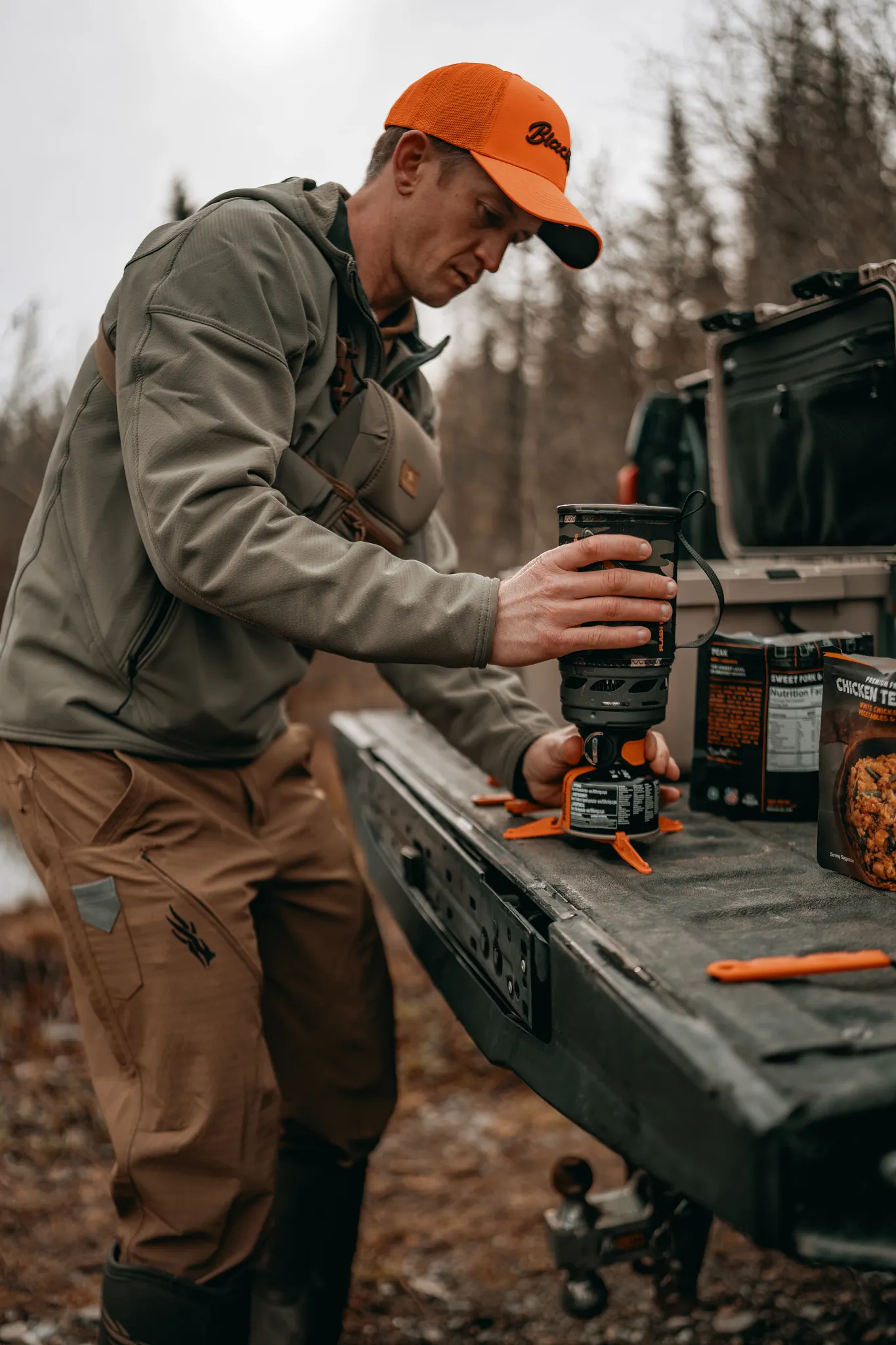
Jetboil systems stand out because they're engineered around efficiency, not just heat output. By integrating the burner, pot, and FluxRing technology into a single system, Jetboil minimizes wasted energy, shortens boil times, and delivers more consistent performance across real-world conditions like wind and cold.
Whether you're looking for a fast, no-fuss setup like the Flash, more cooking control with the TrailCook, or an ultralight option like the Stash, the advantage comes down to the same principle: better heat transfer leads to better results. For anyone prioritizing speed, fuel efficiency, and reliability on the trail, that design difference is what makes Jetboil such a dependable choice.
FAQs and Common Questions
Why does Jetboil boil water so fast?
Jetboil boils water quickly because its integrated pot and burner system maximizes heat transfer. The FluxRing increases surface area, capturing more heat and reducing energy loss, which leads to faster boil times.
How does a Jetboil stove work?
A Jetboil stove works by locking a FluxRing-equipped pot onto a high-efficiency burner. Heat is directed into the FluxRing, which captures and distributes it efficiently, reducing fuel waste and speeding up boiling.
What is FluxRing technology?
FluxRing is a heat-transfer system built into the bottom of the cooking vessel. It uses metal fins to increase surface area, improving efficiency and reducing boil times.
What fuel does Jetboil use?
Jetboil backpacking stove systems use isobutane-propane fuel canisters. Larger single- and double-burner stoves like the HalfGen and Genesis Basecamp use propane canisters.
Can Jetboil simmer?
Yes, many Jetboil models in the Precision Cook line support simmering. Systems like the TrailCook are specifically designed for better flame control, allowing for more advanced cooking.
How long does a fuel canister last with Jetboil?
A 100-gram canister typically lasts for about 10–12 boils, depending on conditions and usage.
Is Jetboil good for backpacking?
Yes, Jetboil is well-suited for backpacking due to its fast boil times, fuel efficiency, and compact design. Ultralight campers often choose the Stash, while others prefer integrated systems like the Flash for speed.
Can Jetboil be used in windy conditions?
Jetboil performs well in wind because its integrated design protects the flame and retains heat more effectively than open systems.
What can you cook with a Jetboil?
Jetboil systems are ideal for boiling water and preparing simple meals, but systems like the Genesis Basecamp System support more advanced cooking techniques.
How do you maintain a Jetboil stove?
Keep the burner clean, check the igniter, and ensure connections are free of debris. Proper storage and regular inspection help maintain performance.
Is Jetboil safe to use?
Yes, when used properly. Always operate on a stable surface, avoid enclosed spaces, and follow fuel safety guidelines.
Troubleshooting & Maintenance
Even high-performance systems require occasional maintenance, especially with frequent use in outdoor environments.
Ignition Issues
If the igniter isn't working, check for moisture or debris. Carrying a backup lighter ensures you're never without a flame.
Regulator Performance
If heat output seems inconsistent, inspect the regulator and fuel connection. Dirt or buildup can affect performance over time.
Storage Tips
Allow the system to cool completely before packing. Store components securely to prevent damage during transport.
Fuel Safety
Always inspect canisters before use and avoid exposing them to extreme heat. Proper handling ensures both safety and performance.